Sizing Your Home Power Generator Efficiency
Automatic Generators: The Dependable Answer for Steady Power Provision
Standby generators provide crucial protection from electricity outages. These systems operate smoothly, switching on in moments following an interruption. Powered by different energy types, the generators ensure operations continue in times of crisis. Yet, knowing their advantages and specifications is essential for making an informed decision. What elements need consideration before acquiring such a system? The next segments discuss these important factors.
How Standby Generators Work: The Functionality
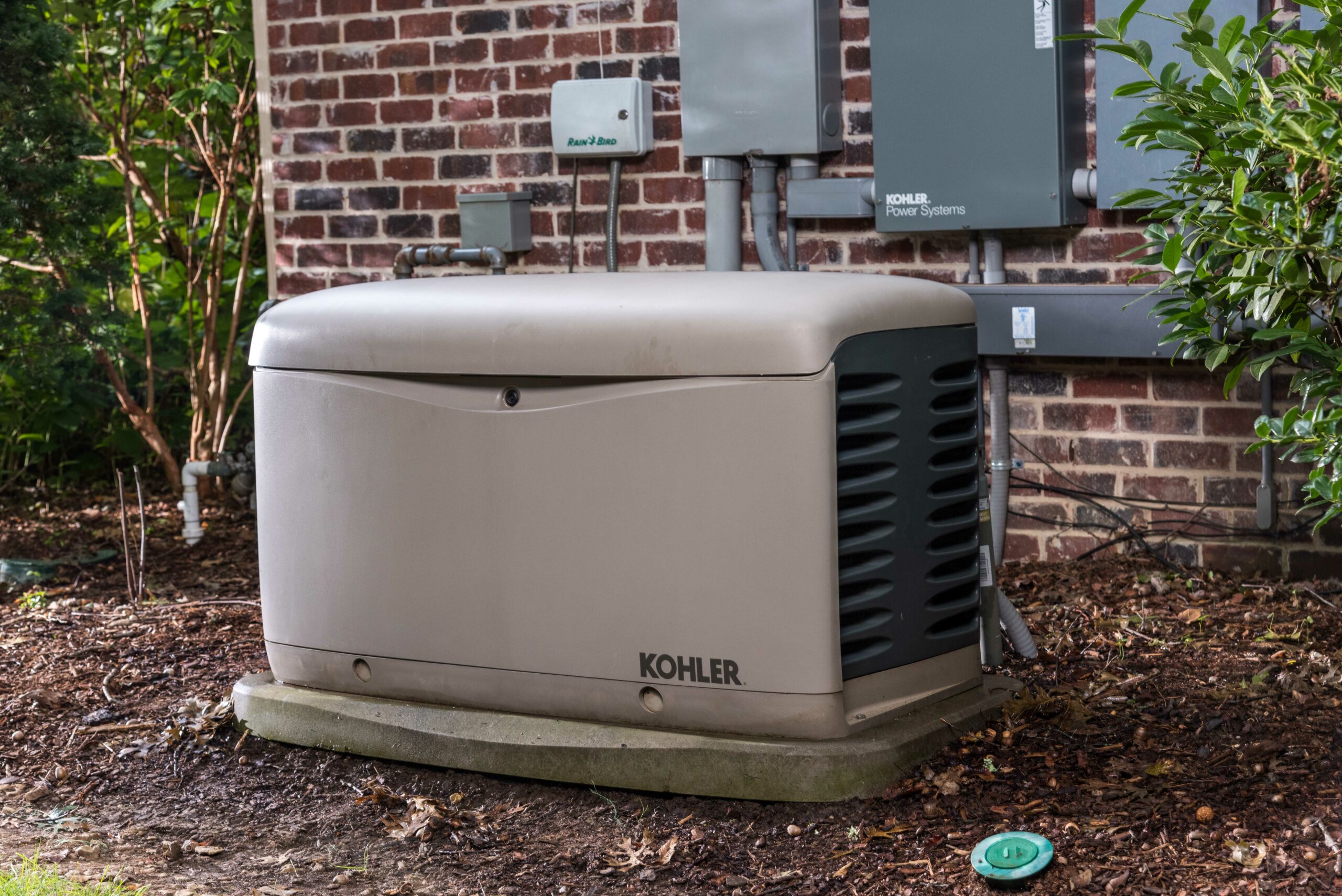
Automatic generators are vital systems that offer reliable emergency electricity during power losses. These units are usually placed outside a home or building, linked to the main wiring and powered by diesel, propane, or natural gas. If an electricity outage happens, the system recognizes the lack of power and activates within seconds. This action utilizes an automatic transfer switch, that isolates the property from utility power and switches the load to the generator
(Portland Standby Generators)The system starts creating electricity, supplying power to essential circuits or the entire facility, depending on its capacity. Most standby generators feature a built-in monitoring system that confirms optimal performance and maintenance. These units run for long durations, offering a constant energy supply until the main grid is back online. Understanding the mechanics behind standby generators helps homeowners appreciate their role in boosting electricity safety and minimizing disruptions during unexpected outages
Why Install an Automatic Generator
Dependability is a major benefit when putting in a backup system, because it provides constant power during blackouts. This crucial capability ensures that facilities stay running, safeguarding important possessions and preserving convenience. In addition, backup systems boost security through the avoidance of electricity loss that may result in risky circumstances, such as burst plumbing or non-functional medical devices.
Value for money is another benefit; while the primary expenditure may be substantial, the long-term savings from avoided food spoilage, operational downtime, and urgent maintenance can be remarkable. Furthermore, these generators add value to the property, making them an attractive feature for prospective purchasers.
Ease of operation is a key factor, as such systems turn on automatically during an outage, eliminating the need for manual intervention. This seamless operation allows users to continue their everyday activities without hiccups. Overall, setting up a standby system offers peace of mind, ensuring that power is always available when critical.
Important Attributes to Consider in a Generator Unit
When choosing a standby generator, multiple important characteristics must be evaluated to ensure optimal operation and matching the intended purpose. First, the power output is vital; buyers must determine the wattage required to power necessary systems during an outage. Moreover, the power source—whether NG, LP, or diesel—impacts performance and running expenses.
Another important feature is the transfer switch, which facilitates seamless power changeover and improves security. The robustness and construction quality are also important; a sturdy unit can withstand harsh weather conditions.
In addition, noise levels should be assessed, as low-noise units are better for neighborhood settings. Some generators offer self-starting features, providing convenience during unexpected outages. Finally, warranty and service options need to be checked, providing reliable support and maintenance. When considering these factors, prospective buyers can pick a unit that aligns with their individual power demands successfully.
Factors to Consider Before Purchase
Prior to purchasing a standby generator, prospective owners should take action diligently assess multiple critical elements to ensure they reach an well-considered conclusion. Portland Standby Generators. Initially, they must assess their power needs by figuring out the necessary capacity to run important appliances during an outage. Following this, the power source is important; available types are natural gas, propane, or diesel, each with unique advantages and supply concerns
Moreover, buyers should consider the generator's power switch mechanism, which facilitates seamless power transfer. Installation details are also important, as some generators may necessitate expert setup or the securing of permits
The warranty and support options must be carefully reviewed, since they significantly affect how satisfied you are in the long run. Lastly, those considering a purchase must check the generator's noise levels, especially if they live in a housing development. When reviewing these aspects, buyers are able to choose the right generator that best meets their unique needs and expectations
Tips for Maintaining Your Standby Generator
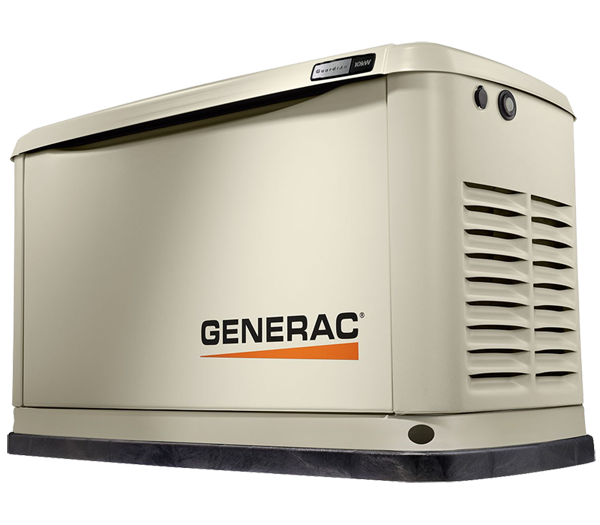
Regular maintenance is essential to ensure optimal functioning and extending the life of the unit. Owners should begin by inspecting how much oil the generator has, and swap out the oil and filter as recommended by the maker. Make sure to check the air filter and change it when needed to guarantee optimal airflow. It's also important to test the battery and remove any terminal corrosion to ensure it starts reliably.
Conduct periodic load tests to verify the generator manages its rated capacity. Furthermore, ensure that no obstructions or leaks exist in the exhaust system. Maintaining a clean, debris-free generator can prevent the unit from overheating and having other issues.
As a final step, schedule professional maintenance yearly to address any potential problems and conduct thorough checks. Following these maintenance tips can maximize the longevity of a standby generator, providing peace of mind during power outages.
FAQs
How Much Do Standby Generators Typically Cost?
Standby generators typically cost in price from $2,000 to $15,000, based on elements like power output, brand, and installation complexity. Other expenditures might cover permits, fuel tanks, and maintenance, affecting the total investment needed.
Am I Able to Install a Standby Generator on My Own?
It is possible to install a standby generator yourself, but it requires knowledge regarding local codes and electrical wiring. Experts suggest employing a specialist to ensure security, conformance, and the best operation of the generator installation.
Which Types of Fuel Power Standby Generators Use?
Standby generators commonly run on energy sources such as gasoline, propane, natural gas, or diesel. Portland Standby Generators. The choice of fuel is usually determined by availability, cost, and specific energy needs, influencing the efficiency and performance of the generator
Do I Need Permits for Installation?
Permits are frequently necessary for the installation of standby generators. The specific codes change based on the locale, so it is essential for homeowners or contractors to speak to the municipal government to verify conformance with all relevant codes and requirements.
How Long Can a Standby Generator Run Continuously?
A standby generator can run continuously for different lengths of time, typically ranging from 24 to 48 hours, depending on fuel supply and load demands. Routine upkeep ensures maximum efficiency and durability during extended operation periods.